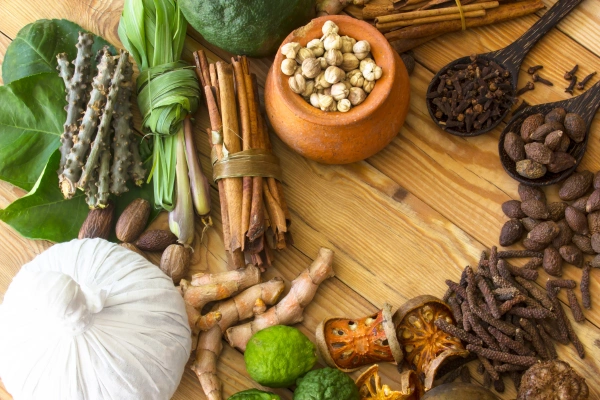
Aging skin is influenced by oxidative stress, chronic inflammation, collagen breakdown, hormonal changes, and reduced circulation. Certain herbs contain bioactive compounds that target these mechanisms. While no herb can stop aging, some can measurably support skin elasticity, hydration, and protection when used consistently.
Below are 16 herbs with the strongest traditional use and modern scientific backing for skin health.
1. Gotu Kola (Centella asiatica)
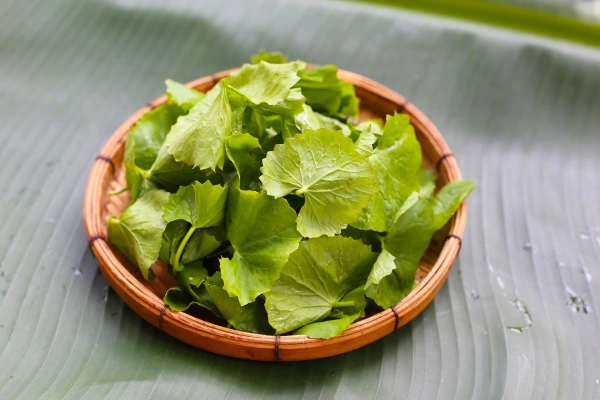
Why it works: Stimulates collagen synthesis and improves skin elasticity.
Key compounds: Triterpenoids (asiaticoside, madecassoside)
Evidence: Clinical studies show improved wound healing, reduced fine lines, and better skin firmness.
Best for: Wrinkles, sagging skin, stretch marks
2. Turmeric
Why it works: Powerful anti-inflammatory and antioxidant.
Key compound: Curcumin
Evidence: Reduces oxidative damage and inflammation linked to premature aging.
Best for: Dull skin, redness, acne-related aging
⚠️ Use carefully topically—it stains and may irritate sensitive skin.
3. Green Tea

Why it works: Protects against UV-induced skin damage.
Key compounds: EGCG (catechins)
Evidence: Strong data shows reduced photoaging and improved skin elasticity.
Best for: Sun damage, fine lines, uneven tone
4. Aloe Vera
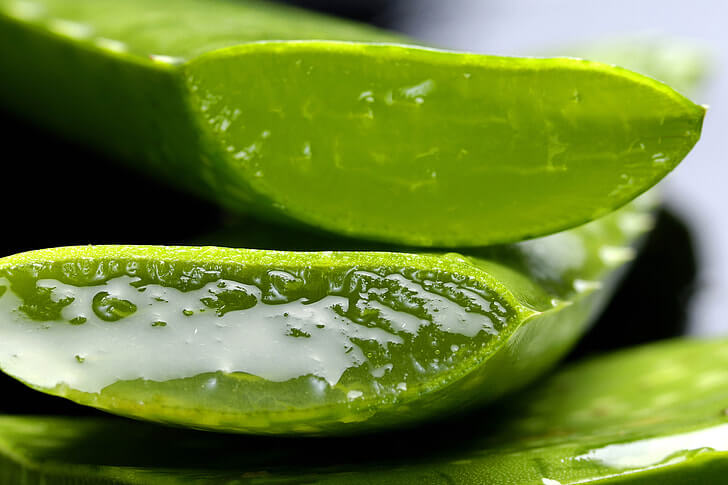
Why it works: Boosts collagen production and hydrates deeply.
Key compounds: Polysaccharides, vitamins C & E
Evidence: Shown to improve wrinkles and skin elasticity with long-term use.
Best for: Dry, irritated, aging skin
5. Ashwagandha
Why it works: Reduces cortisol, which accelerates skin aging.
Key compounds: Withanolides
Evidence: Indirect but strong—lower stress hormones improve skin repair and collagen preservation.
Best for: Stress-aged skin, dullness
6. Ginseng
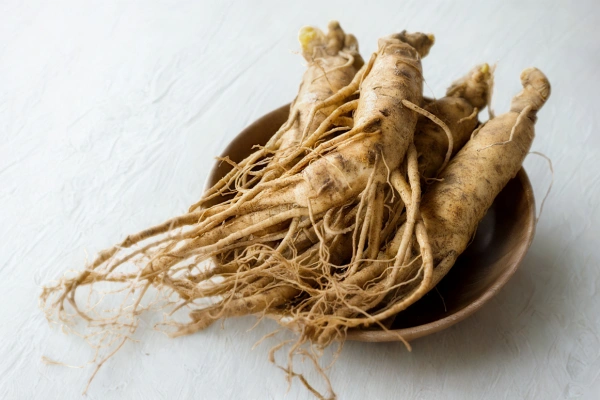
Why it works: Improves circulation and collagen synthesis.
Key compounds: Ginsenosides
Evidence: Clinical trials show improved elasticity and reduced wrinkles.
Best for: Loss of firmness, tired-looking skin
7. Rosemary
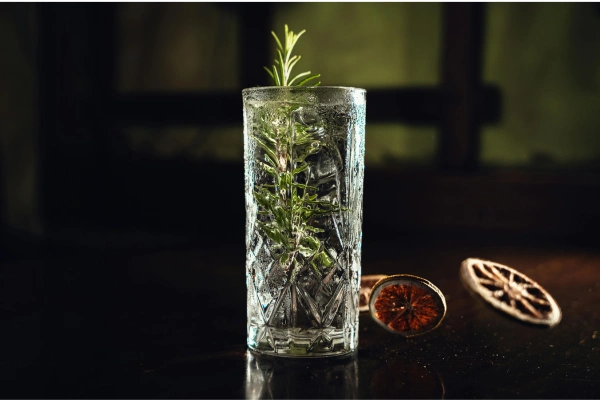
Why it works: Protects skin cells from oxidative damage.
Key compounds: Rosmarinic acid, carnosic acid
Evidence: Shown to reduce free-radical damage and support skin regeneration.
Best for: Environmental aging, pollution exposure
8. Calendula

Why it works: Supports skin repair and reduces inflammation.
Key compounds: Flavonoids, triterpenes
Evidence: Used clinically for wound healing and sensitive skin repair.
Best for: Thin, fragile, aging skin
9. Licorice Root
Why it works: Brightens skin and reduces hyperpigmentation.
Key compound: Glabridin
Evidence: Inhibits tyrosinase (melanin production) and reduces oxidative stress.
Best for: Age spots, uneven tone
10. Horsetail
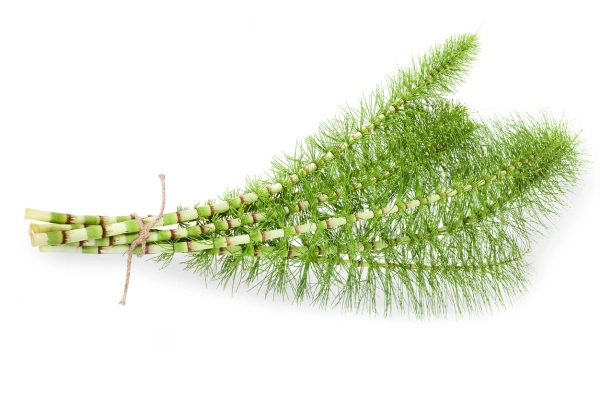
Why it works: High natural silica content supports collagen and elasticity.
Key nutrient: Silica
Evidence: Silica is essential for skin firmness; horsetail is one of the richest plant sources.
Best for: Skin thinning, loss of elasticity
⚠️ Use in moderation; long-term high doses are not recommended.
11. Chamomile

Why it works: Calms inflammation that accelerates aging.
Key compounds: Apigenin, bisabolol
Evidence: Reduces oxidative stress and supports skin barrier function.
Best for: Sensitive, reactive skin
12. Neem

Why it works: Antioxidant and antimicrobial protection.
Key compounds: Nimbidin, quercetin
Evidence: Protects against environmental damage and supports skin renewal.
Best for: Acne-prone aging skin
13. Sage
Why it works: Protects collagen and elastin fibers.
Key compounds: Phenolic acids
Evidence: Demonstrates antioxidant and enzyme-inhibiting effects.
Best for: Wrinkle prevention
14. Hibiscus
Why it works: Natural source of alpha-hydroxy acids (AHAs).
Key compounds: Organic acids, anthocyanins
Evidence: Improves skin elasticity and exfoliation.
Best for: Dull, uneven skin texture
15. Fenugreek

Why it works: Supports hydration and skin regeneration.
Key compounds: Saponins
Evidence: Traditionally used for wound healing and skin nourishment.
Best for: Dry, aging skin
16. Holy Basil (Tulsi)

Why it works: Protects against stress-related skin aging.
Key compounds: Eugenol, flavonoids
Evidence: Reduces oxidative stress and supports detoxification pathways.
Best for: Urban, pollution-exposed skin
How to Use Anti-Aging Herbs Safely
Topical: ✔ Creams, masks, toners ✔ Lower systemic risk ✔ Best for sensitive users
Internal (teas/supplements): ✔ Supports skin from within ✔ Requires consistency ⚠️ Always check interactions and dosage
What Herbs Cannot Do (Important)
- They cannot replace sunscreen
- They cannot reverse deep structural aging
- They work best as part of a lifestyle approach (nutrition, sleep, UV protection)
Final Takeaway
The most effective anti-aging herbs work by:
- Reducing inflammation
- Protecting collagen
- Fighting oxidative stress
- Supporting skin repair
For visible results, consistency matters more than quantity, and combining topical + internal support works best.