
Gum recession isn’t just a cosmetic concern—it can signal underlying oral health issues and even affect overall wellness. Many people assume gum recession is solely due to aging or genetics, but your diet plays a surprisingly significant role in protecting your gums and teeth.
Understanding how what you eat affects gum tissue can help slow progression, reduce sensitivity, and support long-term oral health. Let’s dive into the science, practical tips, and real foods that make a difference.
What Gum Recession Is and Why It Happens
Gum recession occurs when the gum tissue around your teeth pulls back, exposing more of the tooth or even the root. This can lead to:
- Tooth sensitivity to hot, cold, or sweet foods
- Higher risk of cavities and root decay
- Pain or discomfort while chewing
- Aesthetic changes in your smile
Common Causes
While diet is important, gum recession is often multi-factorial:
- Brushing habits – Brushing too hard or with a stiff-bristled toothbrush can wear down gums over time.
- Gum disease – Gingivitis or periodontitis can inflame gums and trigger recession.
- Genetics – Some people have naturally thinner gum tissue.
- Age – Collagen and elastin decrease with age, making gums more susceptible.
- Lifestyle factors – Smoking, grinding teeth, or chronic stress can accelerate gum loss.
Recognizing early signs is key. Look for:
- Receding gum lines along the teeth
- Teeth appearing longer than before
- Increased sensitivity
- Occasional bleeding during brushing or flossing
How Your Diet Affects Gum Health
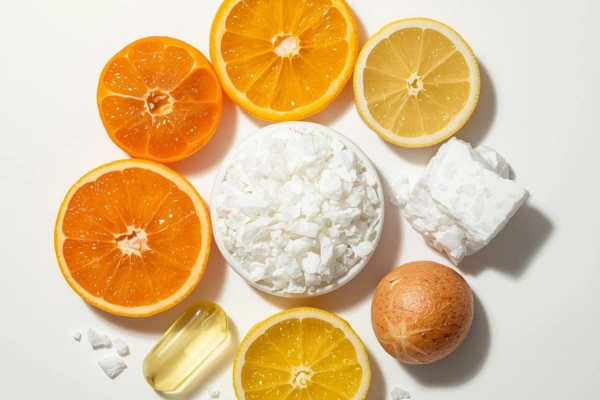
Healthy gums need nutrients, antioxidants, and minerals to maintain tissue strength and fight inflammation. A poor diet can contribute to gum problems and accelerate recession.
1. Sugar and Processed Foods
Excess sugar feeds harmful oral bacteria, producing acids that erode gum tissue and enamel. Frequent intake of candies, soda, and processed snacks increases plaque formation, which can inflame and damage gums over time.
2. Vitamin C
Vitamin C is critical for collagen production, which keeps gum tissue strong and elastic. Deficiency can weaken gums, making them more prone to bleeding, infection, and recession.
Sources: Citrus fruits, kiwis, strawberries, bell peppers, broccoli.
3. Calcium and Vitamin D
Calcium strengthens teeth and jawbone, while vitamin D aids in calcium absorption. Insufficient intake can compromise bone support, indirectly contributing to gum recession.
Sources: Milk, yogurt, cheese, fortified plant milks, leafy greens, eggs, and sunlight for vitamin D.
4. Anti-Inflammatory Nutrients
Chronic inflammation can worsen gum tissue damage. Foods rich in omega-3 fatty acids, antioxidants, and polyphenols help reduce inflammation and protect gums.
Sources: Fatty fish (salmon, sardines), walnuts, flaxseeds, green tea, berries.
5. Hydration
Water keeps the mouth moist, helping flush bacteria and maintain saliva levels, which protect teeth and gums. Poor hydration can lead to dry mouth, increasing the risk of gum problems.
Foods That Support Gum Health

Incorporating nutrient-dense foods can strengthen gums, reduce inflammation, and slow recession:
- Leafy greens: Spinach, kale, and Swiss chard provide vitamins C and K, which are essential for collagen synthesis and bone support.
- Fruits rich in vitamin C: Oranges, guavas, and strawberries promote gum tissue repair.
- Dairy: Milk, yogurt, and cheese provide calcium and phosphorus for strong teeth and bone support.
- Nuts and seeds: Almonds, pumpkin seeds, and sunflower seeds supply magnesium and healthy fats.
- Green tea: Packed with antioxidants like catechins that help reduce gum inflammation.
- Lean proteins: Chicken, fish, and eggs support tissue repair.
Habits That Amplify Gum Recession
Even with a healthy diet, certain habits can worsen gum health:
- Aggressive brushing – Use a soft-bristled toothbrush and gentle strokes.
- Skipping dental checkups – Regular professional cleanings remove plaque and tartar that damage gums.
- Smoking or chewing tobacco – Nicotine reduces blood flow to gums, slowing healing.
- Grinding or clenching teeth – Night guards can prevent mechanical damage.
- Ignoring early warning signs – Bleeding, sensitivity, or longer-looking teeth are signals to act quickly.
Can Diet Reverse Gum Recession?

It’s important to be realistic. Diet alone cannot reverse gum recession, but it can:
- Slow further tissue loss
- Support repair of inflamed tissue
- Improve overall oral health and resistance to infection
For significant recession, professional dental interventions may be necessary, such as:
- Scaling and root planing
- Gum grafts
- Laser treatment
Combining diet with proper dental care gives the best results.
Daily Routine to Support Gum Health
Here’s a practical routine that combines diet and lifestyle for healthier gums:
- Morning
- Brush gently with fluoride toothpaste
- Rinse with green tea (optional)
- Midday
- Snack on fruits or raw vegetables instead of sugary foods
- Evening
- Brush and floss
- Include a calcium-rich dinner (dairy, greens, or fortified alternatives)
- Hydrate adequately throughout the day
- Weekly
- Include fatty fish or omega-3 sources 2–3 times per week
- Limit processed snacks and drinks
Bottom Line
Gum recession is influenced by genetics, oral care, lifestyle, and diet. By reducing sugar, eating vitamin- and mineral-rich foods, and maintaining good oral hygiene, you can:
- Protect gums from further damage
- Support tissue repair and strength
- Reduce sensitivity and inflammation
- Promote long-term oral health
Remember: your diet works best alongside regular dental visits and proper brushing habits. Treat your gums as part of your overall health, and your smile will reflect it.
